Unity Through Diversity: Spotlight on Local Events
- Victor Tan
- Jan 10
- 5 min read

In a world that often feels divided, local events serve as a powerful reminder of the beauty found in diversity. These gatherings not only celebrate different cultures but also foster connections among community members. From food festivals to art exhibitions, local events provide a platform for individuals to share their unique stories and experiences. This blog post will explore various local events that exemplify unity through diversity, highlighting their significance and the impact they have on communities.
The Importance of Local Events
Local events play a crucial role in building community spirit. They offer opportunities for people to come together, learn from one another, and appreciate the richness of different cultures. Here are some key reasons why local events matter:
Cultural Exchange: Events allow individuals to experience traditions, foods, and art forms from different cultures. This exchange fosters understanding and respect among diverse groups.
Community Engagement: Local events encourage participation and involvement, helping to strengthen community bonds. When people come together for a common purpose, they create lasting connections.
Economic Boost: Festivals and events can stimulate local economies by attracting visitors and supporting local businesses. This economic activity can lead to job creation and increased revenue for the community.
Celebrating Diversity Through Food Festivals
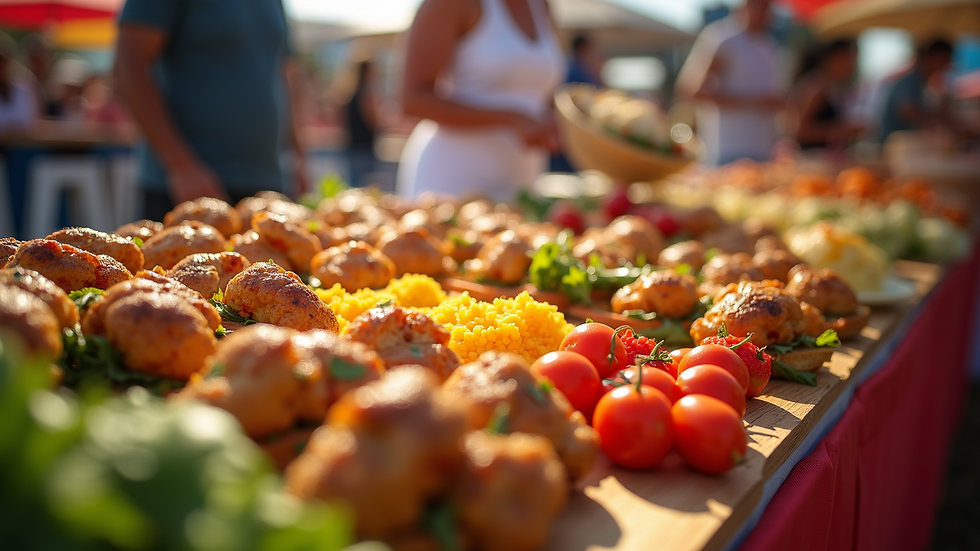
Food festivals are among the most popular local events, showcasing the culinary diversity of a community. These festivals not only tantalize taste buds but also tell stories of cultural heritage. Here are a few notable examples:
1. Taste of the World Festival
Held annually in many cities, the Taste of the World Festival brings together food vendors representing various cultures. Attendees can sample dishes from around the globe, from spicy Indian curries to savory Italian pastas. This festival highlights the importance of food as a cultural connector, allowing people to share their culinary traditions.
2. Local Farmers' Market
Farmers' markets often feature local artisans and food producers, showcasing the diversity of agricultural practices in the area. These markets provide a space for farmers to share their stories and for consumers to learn about the origins of their food. By supporting local agriculture, communities can foster a sense of pride in their regional identity.
3. Cultural Cuisine Nights
Many communities host cultural cuisine nights at local restaurants or community centers. These events often feature a specific culture's cuisine, complete with traditional music and dance performances. For example, a Mexican cuisine night might include tacos, enchiladas, and mariachi music, creating an immersive experience for attendees.
Art Exhibitions: A Canvas for Diversity
Art exhibitions are another avenue through which diversity is celebrated. They provide a platform for artists from various backgrounds to showcase their work and share their perspectives. Here are some examples of art-focused local events:
1. Multicultural Art Fair
The Multicultural Art Fair is an annual event that features artists from different cultural backgrounds. Attendees can view and purchase artwork while engaging with the artists themselves. This event not only promotes artistic expression but also encourages dialogue about cultural identity and representation in the arts.
2. Community Mural Projects
Community mural projects often involve collaboration between local artists and residents. These projects can reflect the history and diversity of the community, allowing participants to express their identities through art. The finished murals serve as a visual representation of unity and shared experiences.
3. Gallery Openings
Local galleries frequently host openings for exhibitions that focus on diverse themes. These events often include artist talks, allowing attendees to gain insight into the inspiration behind the artwork. By showcasing diverse voices, galleries contribute to a richer cultural landscape.
Music Festivals: Harmonizing Cultures
Music has a unique ability to bring people together, and music festivals often serve as a celebration of cultural diversity. Here are some examples of music festivals that highlight this unity:
1. World Music Festival
The World Music Festival features artists from various genres and cultures, providing a platform for global sounds. Attendees can enjoy performances ranging from African drumming to Latin salsa, creating an atmosphere of celebration and inclusivity.
2. Local Talent Showcase
Many communities host talent showcases that highlight local musicians from diverse backgrounds. These events not only promote local talent but also encourage collaboration among artists. By sharing the stage, musicians can create a sense of unity through their shared love of music.
3. Cultural Dance Festivals
Dance festivals often accompany music events, showcasing traditional dances from different cultures. These performances allow attendees to experience the rhythm and movement of various cultural expressions, fostering appreciation for diversity.
The Role of Community Organizations
Community organizations play a vital role in organizing and promoting local events that celebrate diversity. These organizations often work to ensure that events are inclusive and accessible to all. Here are some examples of how they contribute:
1. Event Planning and Coordination
Community organizations often take the lead in planning events, bringing together volunteers and resources to create successful gatherings. Their expertise in event coordination ensures that diverse voices are represented and that the events run smoothly.
2. Outreach and Promotion
Effective outreach is essential for attracting diverse participants to local events. Community organizations often utilize various channels, including social media, flyers, and word-of-mouth, to promote events and encourage attendance from all segments of the community.
3. Educational Programs
Many community organizations offer educational programs that accompany local events. These programs can include workshops, discussions, and demonstrations that provide attendees with a deeper understanding of the cultures being celebrated. By fostering education, these organizations help to break down barriers and promote inclusivity.
Challenges and Opportunities
While local events celebrating diversity are essential, they also face challenges. Here are some common obstacles and potential solutions:
1. Funding and Resources
Many local events rely on sponsorships and grants to cover costs. Securing funding can be challenging, especially for smaller organizations. To address this, communities can explore partnerships with local businesses and seek grants from cultural foundations.
2. Inclusivity and Representation
Ensuring that all voices are represented can be difficult. Organizers should actively seek input from diverse community members during the planning process. This can help create events that truly reflect the community's diversity.
3. Accessibility
Making events accessible to everyone, including individuals with disabilities, is crucial. Organizers should consider accessibility in their planning, ensuring that venues are equipped to accommodate all attendees.
Conclusion
Local events are a powerful way to celebrate diversity and foster unity within communities. By bringing people together through food, art, music, and cultural exchange, these gatherings create opportunities for connection and understanding. As we continue to navigate a world that can feel divided, let us embrace the richness of our differences and support local events that promote unity through diversity.
Next time you hear about a local event, consider attending. Your participation not only enriches your own experience but also strengthens the fabric of your community. Together, we can build a more inclusive and harmonious society.


Comments